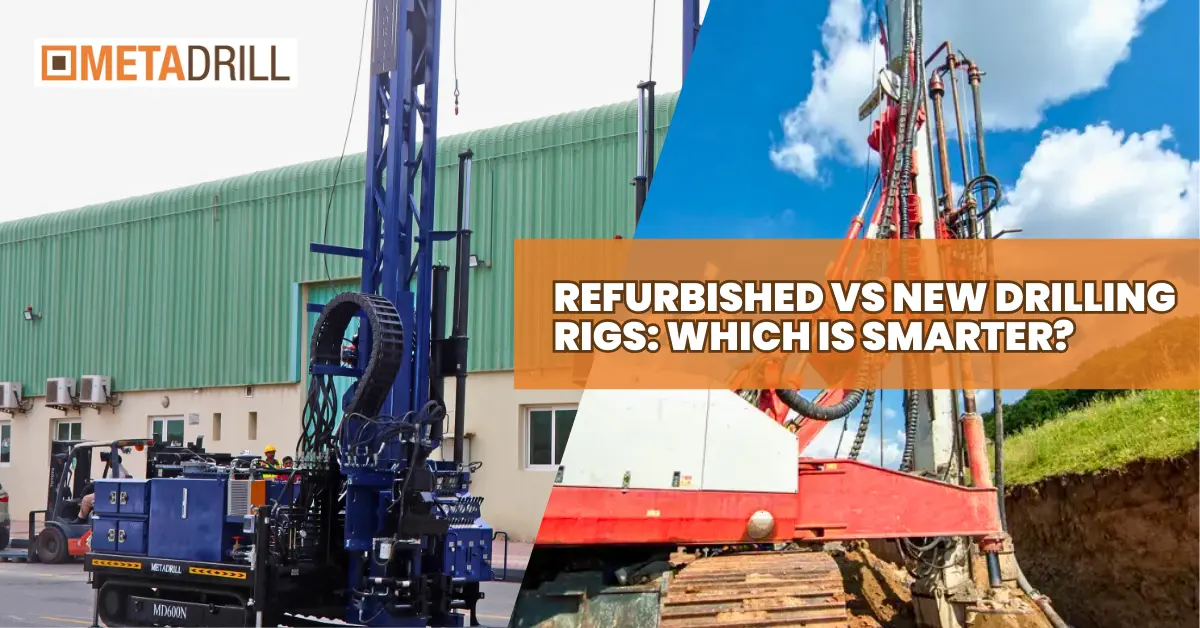
Choosing between refurbished and new drilling rigs depends on more than price. Project timelines, operating pressure, and long-term maintenance goals all influence the final decision. Some teams prefer new equipment for modern features, while others choose refurbishment to extend equipment life without slowing operations.
New rigs deliver factory performance and updated systems. Refurbished rigs provide flexibility and faster deployment when done correctly. Understanding where each option fits helps operators make smarter decisions instead of following trends.
Understanding the Core Difference
Refurbished rigs involve rebuilding existing equipment through structural repair, mechanical upgrades, and system improvements. New rigs come directly from manufacturers with untouched components and the latest configurations.
Both options support drilling operations. The smarter choice depends on how the equipment will be used in real working conditions.
Quick Comparison Overview
Factor | Refurbished Drilling Rig | New Drilling Rig |
Upfront Cost | Lower initial investment | Higher purchase cost |
Deployment Time | Faster return to operation | Longer manufacturing timeline |
Customization | High flexibility during rebuild | Limited after production |
Technology Level | Upgraded based on need | Latest factory technology |
Maintenance Needs | Depending on rebuild quality | Lower during early years |
Initial Investment and Budget Flexibility
Cost planning usually drives the first discussion. New drilling rigs require significant capital, which can affect cash flow and project scaling.
Refurbished rigs allow teams to focus spending where it matters most. Instead of paying for a complete build, companies upgrade only the systems that influence performance.
Key financial advantages of refurbishment include:
Lower upfront investment
Opportunity to phase upgrades over time
Better control over operational budgeting
Teams working under tight financial planning often prefer refurbishment because it balances cost with performance improvement.
Deployment Speed and Project Timelines
Project deadlines often decide which option feels more practical. Manufacturing new rigs takes time due to production schedules and shipping logistics.
Refurbished rigs return to operation faster because the base structure already exists. Technicians rebuild and upgrade instead of waiting for full assembly from scratch.
Benefits of faster deployment include:
Reduced project delays
Faster response to new contracts
Less downtime between drilling phases
Shorter turnaround gives refurbishment an advantage when timelines are tight.
Technology and Performance Differences
Performance gaps between refurbished and new rigs depend on how upgrades are handled during rebuilding. New rigs usually include modern monitoring systems and improved automation.
Refurbished rigs can reach similar performance levels when technology upgrades become part of the rebuild plan.
Common upgrades during refurbishment:
Digital monitoring systems
Updated control panels
Improved hydraulic components
Energy-efficient engine tuning
Performance does not always depend on equipment age. Quality of upgrades often matters more than whether the rig is new.
Maintenance and Long-Term Reliability
Maintenance needs change based on equipment condition and operational habits. New rigs typically require less servicing during early years because all components start fresh.
Refurbished rigs demand structured maintenance routines to protect rebuilt systems. Strong refurbishment reduces unexpected breakdowns, but consistent servicing keeps performance stable.
Maintenance Comparison
Maintenance Aspect | Refurbished Rig | New Rig |
Early Maintenance Frequency | Moderate | Low |
Long-Term Service Planning | More flexible | Manufacturer-guided |
Spare Part Availability | Often easier for older models | Depends on brand support |
Reliable maintenance planning helps both options deliver long service life.
Customization and Operational Flexibility
Customization becomes easier during refurbishment because technicians work directly with existing systems. Engineers can adjust hydraulic layouts, control systems, or structural reinforcements based on real drilling experience.
New rigs follow manufacturer designs. Custom changes often happen after delivery, which may increase cost or delay operations.
Situations where refurbishment offers strong flexibility:
Unique drilling environments
Specialized load requirements
Teams needing gradual upgrades instead of full replacement
Flexibility allows companies to shape equipment around real project needs rather than adapting operations to fixed configurations.
When Refurbished Rigs Make More Sense
Refurbishment becomes the smarter option when:
Structural condition remains strong
Projects require fast deployment
Budget control matters more than factory upgrades
Teams want targeted performance improvements
Operators who understand their equipment history often gain strong value from rebuilding instead of replacing.
When New Drilling Rigs Become the Better Choice
New rigs offer clear advantages in certain situations:
High-intensity drilling environments requiring latest technology
Companies starting large-scale operations from scratch
Long-term projects where manufacturer warranties add value
New equipment provides a fresh operational baseline, which reduces early maintenance concerns.
You can also check: From CAD to Site How Meta Drill Engineers Rig Performance
Final Thoughts: Choosing What Fits Your Operation
No single option works for every drilling company. Refurbished rigs provide flexibility, faster deployment, and controlled investment when rebuilding happens correctly. New rigs deliver advanced technology and predictable performance during early operation.
Smart decisions come from understanding project goals rather than comparing equipment age alone. Teams that evaluate cost, timelines, customization needs, and maintenance planning often discover that the best solution depends on how the rig supports real field operations, not just whether it is new or rebuilt.
Question to the public:
Refurbished rigs provide flexibility, faster deployment, and controlled investment when rebuilding happens correctly.