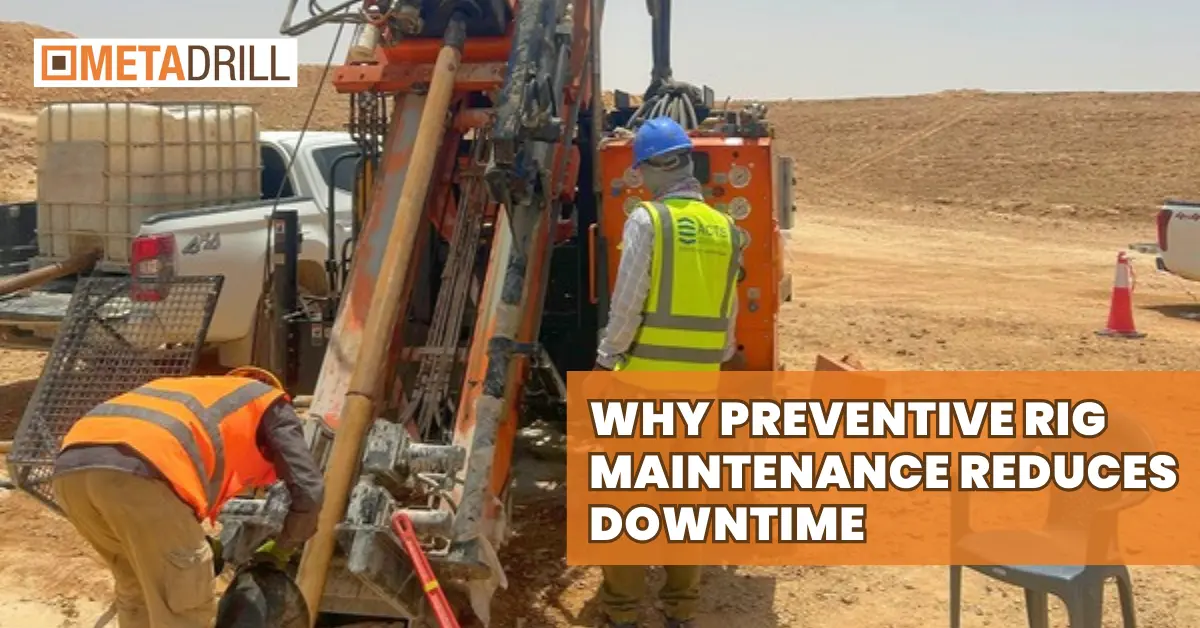
Early morning on a drilling site, the crew waits beside a silent rig. Work should start, yet one small part has failed and everything stops. Hours pass, costs rise, and pressure builds. This situation shows why preventive rig maintenance matters long before problems appear.
When people hear the word maintenance, they often think about fixing something after it breaks. In reality, preventive rig maintenance means checking equipment early so small issues never grow into big failures. Because of this approach, teams protect their schedule and avoid sudden stops during operations. In other words, the goal is simple: keep the rig running without interruption and reduce rig downtime.
At the same time, drilling equipment works under heavy stress every day. Heat, vibration, and long working hours slowly affect parts inside the system. If no one checks these parts, a minor fault can shut down the entire project. That is where drilling rig maintenance becomes a smart habit instead of a last-minute reaction. By planning inspections, teams improve equipment reliability and keep work moving forward.
Also, planned care creates a clear workflow. Instead of waiting for emergencies, technicians follow a maintenance schedule and solve problems early. This steady process helps companies reduce unplanned downtime and maintain strong drilling equipment efficiency. As a result, operations feel smoother, workers stay confident, and projects stay on track.
In this blog, you will learn how preventive rig maintenance supports daily operations, protects equipment, and reduces downtime step by step. Each section will explain the idea in simple words so you can see how small actions today prevent bigger problems tomorrow.
What Is Preventive Rig Maintenance?
Work on a drilling site moves fast, and every part of the equipment carries pressure throughout the day. Because machines operate in harsh conditions, small changes inside the system can slowly turn into serious problems. For this reason, teams follow a planned care routine instead of waiting for damage to appear.
Planned Care Creates Stability
When technicians check equipment on a schedule, they understand how each part performs over time. These regular checks help them notice early signs like unusual vibration or heat. Once a small issue appears, they fix it before the situation grows bigger. As a result, the workflow stays calm and organized rather than reactive.
Routine Inspections Protect Daily Operations
Each inspection connects to the next stage of work. After checking moving parts, crews often clean filters or adjust pressure levels. These simple actions support smooth performance during long drilling hours. Since every step builds on the previous one, equipment health improves gradually instead of changing only after a breakdown.
Small Adjustments Build Long-Term Reliability
Tightening loose bolts or replacing worn seals may look minor, yet these tasks strengthen the entire system. When crews handle these small details regularly, machines respond better under heavy load. Over time, consistent attention reduces unexpected stress on both equipment and workers.
Structured Planning Supports Better Workflow
Clear servicing plans give managers and technicians confidence in daily tasks. Teams understand when checks take place and how each step connects with ongoing operations. Since maintenance becomes part of the routine, projects move forward without confusion or unexpected disruption.
Planned care creates a steady rhythm on site, where one action flows into the next and supports stable performance. Rather than waiting for problems to appear, crews follow a process that keeps equipment prepared for every shift.
How Downtime Happens in Drilling Operations
Downtime rarely starts with one big failure. In most cases, small issues build up quietly until the rig can no longer continue working. When teams understand how these problems develop step by step, they gain better control over daily operations and avoid sudden delays.
Step 1 — Small Wear Often Goes Unnoticed
Heavy drilling equipment works under constant pressure, so parts slowly wear down during normal use. If crews miss early signs like heat changes or unusual sounds, minor damage keeps growing in the background. Over time, this hidden wear weakens performance and prepares the ground for a larger stop.
Step 2 — Delayed Inspections Slow Problem Detection
Regular checks connect directly with equipment health. When inspections get delayed due to tight schedules, technicians lose the chance to catch faults early. Because of this gap, small technical issues move from manageable to serious, increasing the risk of unexpected shutdowns.
Step 3 — Sudden Component Failure Stops Operations
Once a worn part reaches its limit, the system reacts quickly. Pumps lose pressure, motors struggle, or hydraulic lines fail without warning. At this point, work pauses immediately, and the entire crew waits while repairs begin. What started as a minor issue turns into full operational downtime.
Step 4 — Repair Delays Extend the Downtime Chain
Fixing a breakdown takes more than replacing one part. Teams may need tools, spare components, or extra support from technicians. Each delay adds more idle time, which affects drilling schedules and project timelines. As hours pass, productivity drops and pressure on the team increases.
Step 5 — Workflow Disruption Affects the Entire Site
Downtime does not stay limited to one machine. Support crews, transport planning, and safety checks all slow down when the rig stops. Because operations depend on continuous movement, even a short pause can create a ripple effect across the entire site.
Understanding these steps helps teams see how downtime develops gradually rather than appearing suddenly. When crews recognize this chain of events, they focus more on early action and smarter planning, which keeps drilling work steady and predictable.
Key Reasons Maintenance Planning Reduces Downtime
Downtime follows a pattern, so prevention can follow a pattern too. Once you know where failures usually begin, you can stop them early with the right routine. This is where proactive maintenance makes the biggest difference, because it targets the root cause before the rig is forced to stop.
Table: Common downtime triggers and what stops them early
What usually starts the problem | What it turns into on site | What stops it early |
Dirty filters and clogged breathers | Pressure drops, overheating, sudden shutdown | filter replacement schedule + quick daily checks |
Low or contaminated oil | Faster wear, rough performance, part failure | lubrication management + oil sampling on routine |
Loose fasteners and misalignment | Vibration, damaged bearings, unexpected stoppage | torque checks + alignment checks during service windows |
Hoses and seals aging quietly | Leaks, hydraulic failure, unsafe conditions | hose inspection routine + seal replacement plan |
Electrical connections loosening | Sensors fail, alarms trigger, system stops | electrical inspection checklist + tightened connections |
Spare parts not available on time | Repair waits, downtime stretches longer | spare parts inventory + reorder points and tracking |
Early warning signs ignored | Small fault grows, full breakdown happens | condition monitoring + clear reporting process |
Maintenance tasks done randomly | Missed steps, repeated failures | planned maintenance schedule + documented checklists |
How these reasons connect back to real downtime
Small tasks feel basic, yet each one blocks a common failure path. When teams follow a planned maintenance schedule, checks stop being guesswork, so problems get caught while they are still small. At the same time, condition monitoring turns “something feels off” into a clear signal that leads to action. Because technicians also keep a spare parts inventory ready, repairs do not turn into long waits, and the downtime chain breaks early.
Preventive vs Reactive Maintenance
Many teams confuse planned care with repair work, yet both follow very different paths on site. One approach focuses on stopping problems early, while the other begins only after something breaks. Understanding this difference helps crews choose methods that keep operations stable and predictable.
Simple Comparison Between the Two Approaches
Maintenance Approach | How It Works on Site | Effect on Operations | Long-Term Impact |
proactive maintenance strategy | Equipment gets checked and serviced before faults grow | Work continues with fewer interruptions | Better performance and smoother workflow |
reactive maintenance approach | Repairs begin only after failure appears | Sudden stops and pressure on crews | Higher repair cost and repeated issues |
Why Planned Care Keeps Work Moving
When teams follow a proactive maintenance strategy, technicians inspect systems regularly and solve issues while they remain small. Because problems get handled early, crews avoid stressful repair situations and keep daily tasks consistent. This steady routine also supports safer working conditions, since machines operate within normal limits.
How Reactive Repairs Create More Pressure
Breakdown-based work often starts with urgency. Once equipment stops, teams rush to diagnose faults and search for replacement parts. During this time, operations slow down and schedules shift unexpectedly. Since repairs happen under pressure, the same issue may appear again if root causes remain unchecked.
Choosing the Right Direction for Long-Term Stability
Planned servicing builds confidence across the site because everyone knows what to expect. Instead of reacting to failures, crews move forward with clear routines and steady performance. Over time, this mindset reduces stress on both equipment and workers, which supports smoother operations during demanding drilling cycles.
Real Maintenance Practices That Keep Rigs Running
Simple daily habits keep equipment stable and help teams avoid sudden problems. When crews stay consistent with small checks and clear routines, operations continue smoothly without unnecessary pressure. These practical actions support long working hours and help maintain steady performance on site.
Daily visual inspection to spot leaks, loose parts, or unusual wear early
Fluid level monitoring to maintain clean systems and balanced pressure
Lubrication routine to protect moving components from friction and stress
Maintenance record tracking to understand equipment patterns over time
Team communication so small issues get attention before they grow
You can also check: Downtime killers: hydraulics, cooling, dust-fix them early
Conclusion
Every drilling operation depends on steady performance, and small actions taken early often decide how smoothly work continues. When teams focus on regular care instead of waiting for failures, they create a workflow where problems stay manageable and schedules remain stable. Over time, consistent planning builds stronger equipment health and reduces unexpected stops on site. The goal is not only to fix machines but to create a routine that supports long-term reliability and confidence during every shift.
Question to the public:
Every drilling operation depends on steady performance, and small actions taken early often decide how smoothly work continues.